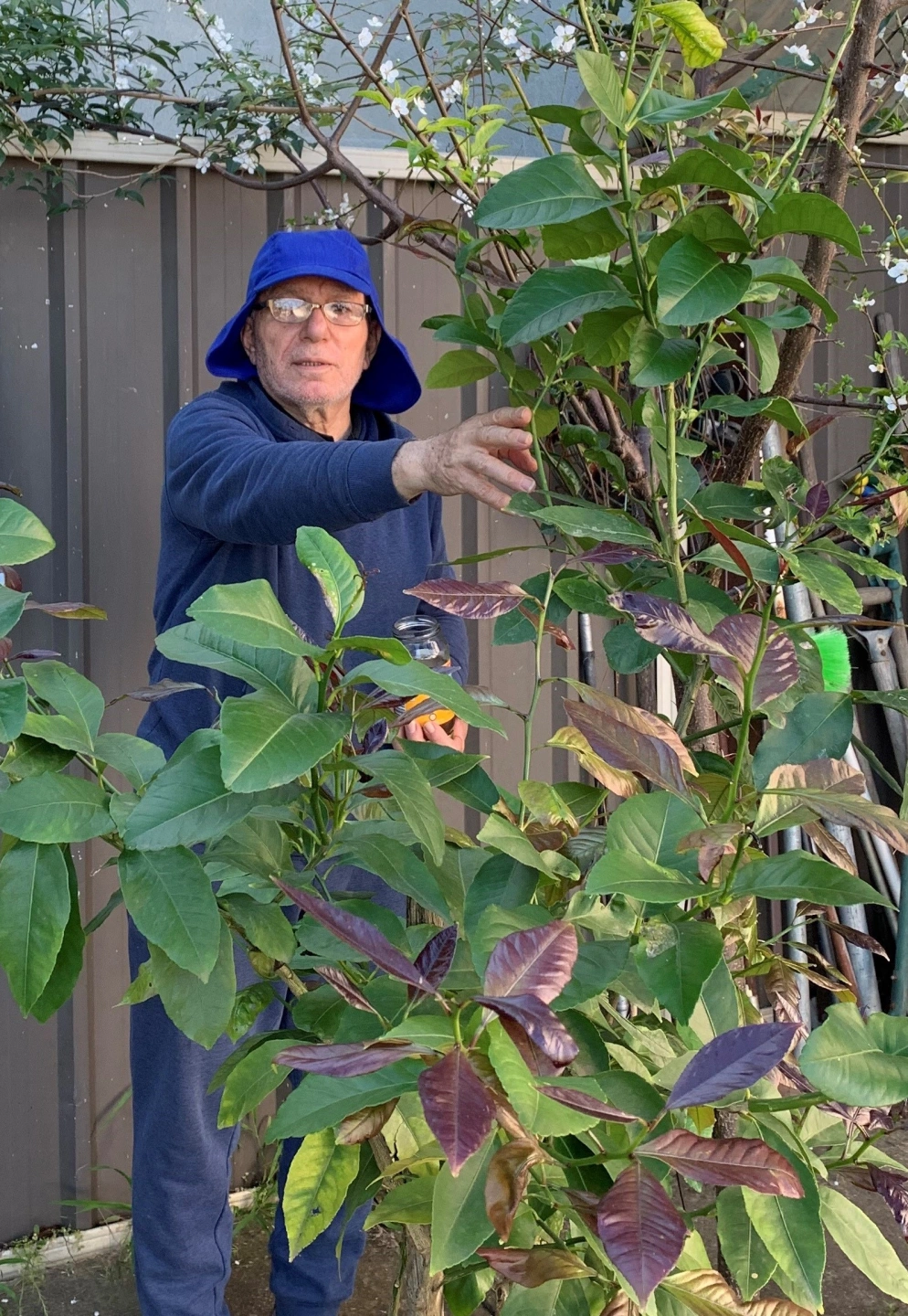
My Father's Garden
Over the years, one of my father’s quiet and constant passions has been gardening. As far back as my childhood, I remember him growing fruit and vegetables in the modest garden of our family home. There was nothing ornamental or extravagant about it—just soil, seeds, and steady care. Yet season after season, that small space produced abundance, shaped by patience rather than urgency.
At first glance, the garden might appear simply practical: a way to grow fresh, healthy food for the family. But for my father, it was always much more than that. The garden became a place of relief from the pressures of work and the responsibilities of providing for a family. After long days, it offered him a different rhythm—one not governed by deadlines or demands, but by sunlight, weather, and time. In the garden, effort was required, but control was not absolute. Nature had the final say.
Now in retirement, the garden has deepened into something closer to a sanctuary. It is where my father spends many of his days nurturing seedlings, pruning branches, harvesting produce, and simply being present. It is also where he reads, reflects, and welcomes conversation, turning the space into a living oasis shaped by years of care. What he has cultivated is not just a garden, but a way of being—rooted, attentive, and grounded.
This space reflects what Garden & Porch seeks to explore. The Garden echoes the Epicurean tradition: a place of choice, pleasure, friendship, and freedom. It is a reminder that a good life includes enjoyment, simplicity, and connection, and that meaning can be found in tending to small, ordinary things. My father’s garden is not about excess, but about enough—enough food, enough peace, enough time.
At the same time, the discipline required to sustain the garden speaks to the Porch, the Stoic tradition. The work must be done regardless of mood or convenience. Seasons change, crops fail, weather disrupts plans. There is acceptance in this—an understanding of what can be controlled and what must be endured. The garden teaches responsibility, patience, and resilience, without stripping away joy.
Watching my father in his garden has shaped my understanding of balance. Life flourishes when structure exists without suffocating freedom, and when choice is guided by wisdom rather than impulse. His garden embodies this tension: between effort and surrender, planning and uncertainty, order and openness.
In the end, my father’s garden is not just about what grows from the soil. It is about what grows within us when we give time, care, and attention to the world around us—and allow ourselves to live in the balance between the garden and the porch.